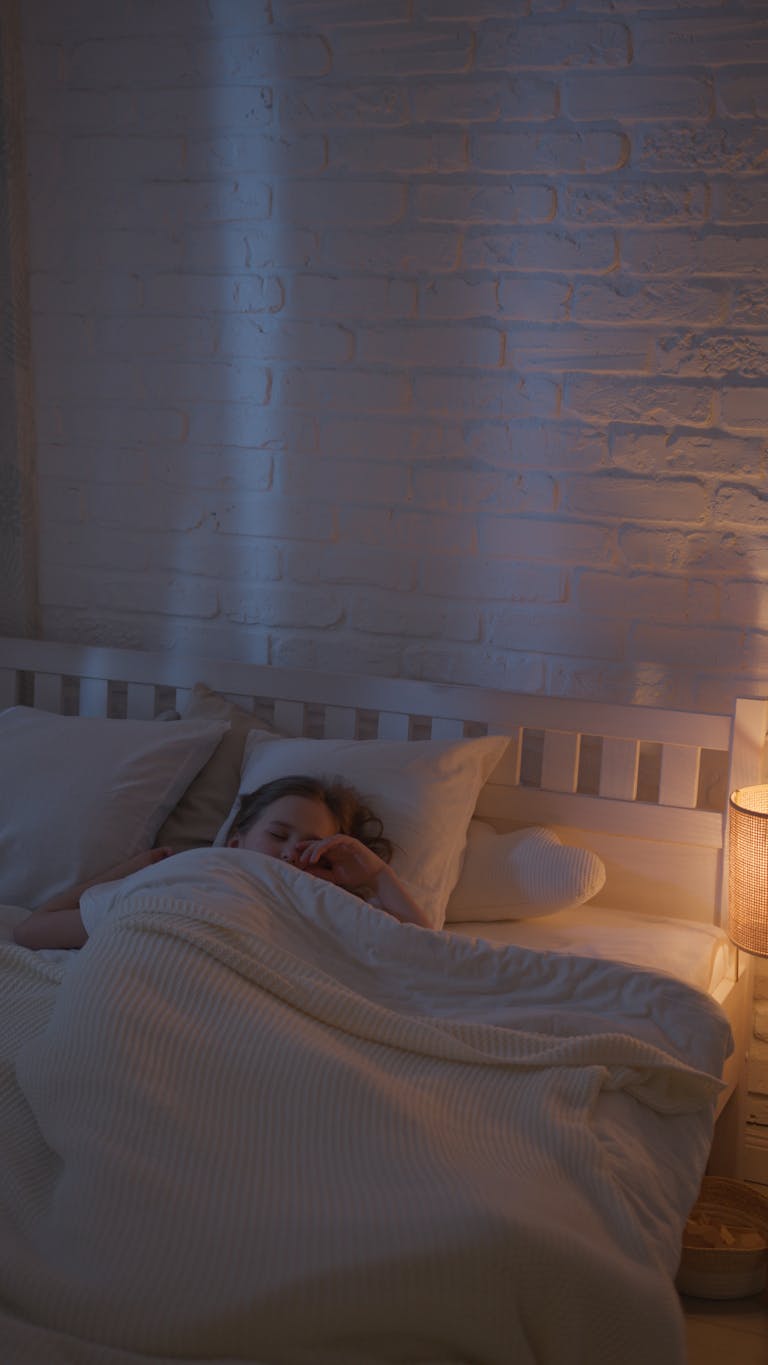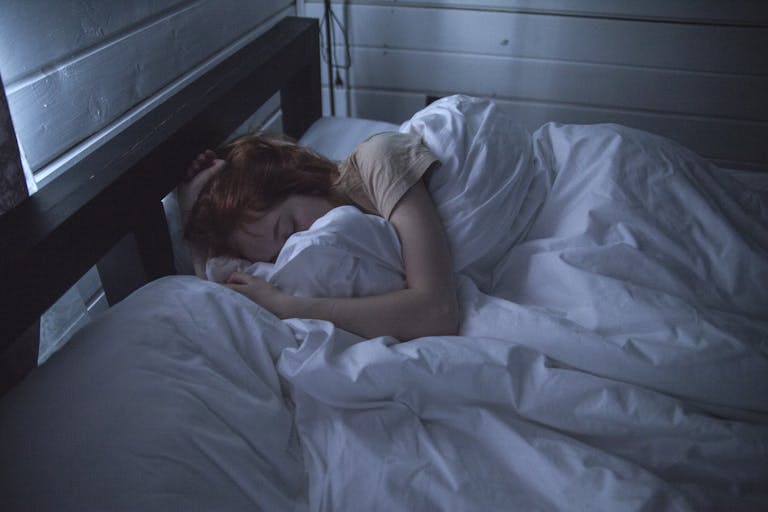
In many ways, defining when evening end and night begins is like trying to identify itty-bitty, imperceptible handshakes of time. Evening traditionally begins after sunset, providing a period of diminishing light and dropping temperatures. It moves into night when darkness completely sets in, usually defined by the end of twilight.
⚡ Quick Answer
Evening typically ends and night begins at astronomical twilight — approximately 1.5 to 2 hours after sunset, when the sky is completely dark and stars are fully visible. Scientifically, three twilight phases mark the transition: civil twilight (just after sunset), nautical twilight (horizon disappears), and astronomical twilight (full darkness). Biblically, the Jewish day begins at sunset, making ‘evening’ the sacred transitional time between days.
📌 Key Takeaways
- Civil twilight ends 6 degrees below the horizon (~30 minutes after sunset)
- Nautical twilight ends 12 degrees below horizon (~60 minutes after sunset)
- Astronomical twilight ends 18 degrees below horizon (~90-120 minutes after sunset — full night begins)
- The biblical day begins at sunset (Genesis 1:5: ‘evening and morning’ — one day)
- Culturally and colloquially, ‘night’ begins anywhere from 8pm to 10pm depending on season and location
In practical terms, evening often spans from roughly 6:00 PM to 8:00 PM, varying with seasons and location. Night falls as colors drain from the day, ushering the busy day into the silence of midnight. This transition is affected by both time zone and latitude.
Of course, cultural and personal interpretations are different, but the evening to night transition has a natural flow. This rhythm, in turn, is deeply tied to the Earth’s rotation and the sun’s position under the horizon.
Key Takeaways
- Evening typically spans from 5:01 p.m. to 11:00 p.m., marked by dimming light, twilight, and activities like dinner or relaxation. It is a transition from daytime to nighttime.
- Evening can be divided into early (5:00 p.m.–7:00 p.m.), mid (7:00 p.m.–8:00 p.m.), late (8:00 p.m.–10:00 p.m.), and early overnight (10:00 p.m.–12:00 a.m.) periods.
- Cultural traditions and customs play a significant role in the perception of evening, with activities, timing, and significance varying greatly across regions.
- Evening ends and night begins around 11:00 p.m., though personal schedules, regional daylight hours, and cultural events may alter this timeframe.
- Night is defined by the absence of sunlight from sunset to sunrise. It brings dark and poor visibility, ushering in space for sleep or night-time pursuits.
- Seasonal variations, latitude, and local climate all greatly influence how long evening lasts before night takes over.
What Is Evening
Evening definition and characteristics
As nightfall approaches, the day’s bustle begins to quiet down. If you want to know when evening arrives, just look for the sunset that brings twilight periods. Though the light diminishes, it is never entirely lost, creating an alluring ambiance filled with both natural and artificial lights.
Evenings naturally invite solitude and introspection. They provide an ideal setting to unwind or gear up for adventures that await during the late evening hours. We have observed that the length of the evening can change dramatically with the seasons, especially during the summer months when the sun sets late, elongating the evening time frame.
Typically, evening marks the conclusion of a business day for most Americans, offering a chance to connect with family members and relax after a demanding week. This time frame is perfect for evening activities and enjoying the tranquility that follows a busy day.
Common timeframes for evening
Evening is divided into smaller time frames, such as twilight periods, to better understand its flow.
- Early Evening (5:00 p.m. to 7:00 p.m.): This is when sunsets typically occur, and the transition from day to night begins.
- Mid Evening (7:00 p.m. to 8:00 p.m.): The sky darkens further, and many settle into dinner or leisure.
- Late Evening (8:00 p.m. to 10:00 p.m.): Activities like watching shows or socializing are common.
- Early Overnight (10:00 p.m. to 12:00 a.m.): Some consider this night, but many continue evening habits like nightlife.
Cultural variations of evening
Public and personal cultural norms play a huge role in how we think of and use evening time. In Spain, for instance, dinner often doesn’t start until late evening, around 9:00 p.m. Or later, while in the U.S., it is common to dine earlier in the evening.
Cultural practices such as Ramadan iftar meals, typically enjoyed after sunset, show that evening can bear greater significance in certain cultures. Public activities, from concerts to street markets, differ around the world according to place and culture.
When Does Evening End
Evening is the transition from the crowded labors of daytime. As nightfall deepens, it brings in a gentler, more meditative mood that protects the art. Typically, this shift happens around 11:00 p.m., though it can vary depending on factors like location, season, and personal routines.
For most Americans, evening doesn’t begin until after the sun sets – typically around 5 or 6 p.m. It then extends out until it’s time to go to sleep. This transition is characterized by dimming dusk, brisker temperatures, and the overall slowing of the pace of life.
The reality of when evening actually ends is not so clear-cut. If you have an early morning agenda, evening might indeed seem to end as soon as you finish eating dinner. For the night owls, the evening often lasts well past midnight.
Evenings can seem short in winter, when we have fewer hours of daylight. Evening really is ending early this time, making it feel that way — literally. This is opposed to the opposite effect in summer, where added daylight can create the impression that evening lasts much longer.
Evening is usually an obvious social event that helps signal the end. Weekends can introduce late-night events that muddy the waters. In cities where nightlife is thriving, the end of evening could easily stretch towards morning.
Rural areas, where artificial lights are less prevalent, often align the evening’s end with natural indicators like the setting sun or the appearance of stars. Just as the beginning of the evening is determined by your own schedule and surroundings, so too is the end.
Light, sound, and social rhythms come into play too, making for a wildly different experience in different environments.
When Does Night Begin
Night is the time between sunset and sunrise during which the sun remains below the horizon. Scientifically, night starts when the sun goes 18° below the horizon, or the end of astronomical twilight. This transition marks the beginning of full nightfall.
Though this definition draws a bright line, the experience of what constitutes night is very much based on the cultural and practical lens in which one operates. For some, night starts only once the sky is fully dark, and daytime use of the rail corridor ceases.
1. Definition of nighttime
Night begins at that moment when the solar disc disappears from the sky and the last golden rim of the horizon is lost in the dark. Cultures have many different ways of interpreting what nighttime means.
For some, it’s a sacred time for quiet reflection, for others it’s tied to unwinding and socializing. In terms of health, biologically, nighttime is important for regulating circadian rhythms and cycles of sleep and energy.
The lack of sunlight signals the body to produce melatonin, which helps the body get ready to sleep. Our bodies’ awareness of this natural rhythm emphasizes the importance of nighttime for our physical and mental well-being.
2. Timeframes for the start of night
| Type of Night | Start Time |
|---|---|
| Civil Night | Sun is 6° below the horizon |
| Nautical Night | Sun is 12° below the horizon |
| Astronomical Night | Sun is 18° below the horizon (full darkness) |
3. How night differs across regions
Night’s beginning is a matter of geography and season. Nights are stable year-round near the equator, but places farther north or south have extreme changes in what night looks and feels like.
For instance, summer in Alaska produces almost continuous daylight, while in winter the state is plunged into long-term night.
4. Role of astronomy in defining night
Astronomy considers the beginning of night as when the sun is 18 degrees below the horizon. This framework supports research across a wide variety of celestial phenomena.
For example, visibility of stars or jumpstarting efforts to track asteroids during twilight hours.
5. Cultural interpretations of night
Culturally, night has many different meanings. Other traditions incorporate it into folklore and mystical practices.
Some people mark it with solemnity and reflection, while others rejoice in it with festivals and celebrations. These readings make apparent the special role night plays in human life.
Meaning Of Late At Night
Common understanding of “late at night”
MeaningLate at night usually refers to the time period after evening has fully turned into night. Evening typically begins around 5 or 6 p.m. When it starts and when night starts can vary widely depending on where you are in the world, what time of year it is, and your cultural customs.
In the dark of winter, 8 p.m. Even feels like late at night since it gets dark so early. In summer, that same hour can seem like deep evening. Typically, evening time begins at the close of daylight and lasts until about 11 p.m. Or midnight. During this time, stargazing, viewing Venus or Mercury, and hunting for comets are favorite pastimes.
These clear, darkening skies make it the perfect time to glimpse these celestial objects. After dark is when many of us snuggle in and settle down for the evening. Usually, this occurs in the vicinity of midnight or later.
Even the use of the word “night” typically connotes activities that take place later in the evening. This includes late-night social events and nonstandard work schedules that push into the early hours.
How it affects daily routines
The difference between evening and late night even affects how Americans decide to spend their time. Evening is often assumed to be a time for winding down, family time, or recreation, such as watching television or going to dinner.
Late-night hours tend to have a more subdued, almost lonely vibe. If you’re a night shift worker or a nighttime student, your circadian rhythm can be flipped around. You might find out late at night is your most fruitful hour!
Implications for health and productivity
Tips to avoid late-night habits that lead to sleep disruption. These disruptions frequently upend the body’s natural rhythm, causing fatigue and impaired concentration throughout the day.
Many people discover that the late hours provide a lack of distractions making it easier to focus on work usually requiring more deep focus.
Variations In Nighttime Across The World

Nighttime in Different Time Zones
Nighttime begins and ends earlier at higher latitudes than at lower latitudes. For example, in India, night begins at 5:45 PM and continues until 8:54 AM. In the United States, most Americans eat dinner at around 6 PM. This is when their day begins to wind down.
How soon nightfall happens depends on the local sunset times. Evening is not even a universal concept. Interestingly, some cultures don’t have a word for evening at all. In Spanish-speaking countries, for instance, the afternoon fades directly into evening.
Even further complicating things, there are outliers in how people experience nighttime. Some consider night lasting until 11:59 PM, regardless of sunrise. These variations are a compelling reminder of how cultural and practical considerations influence the way we choose to define nighttime.
Impact of Latitude on Nighttime
As you can see, latitude has a huge impact on the duration of night. At latitudes close to the equator, day and night are nearly equal in length year-round. Specifically, even at our northernmost cities, most of the area has locations with a day length of at least 12 hours and 33 minutes.
Conversely, further north or south from the equator, night can last for three months during winter or summer disappear completely.
Influence of Seasons on Night Duration
Earth’s axial tilt creates seasonal variation in nighttime around the world. On equinoxes, the Earth’s axis is perpendicular to the sun. Consequently, day and night are almost of equal length all over the world.
The sun’s setting time makes total darkness come a little later, meaning that even in the week of equinox, day is a little longer than night.
Conclusion
Evening and night just kind of become one long stretch. Understanding the difference between them allows us to easily delineate time’s passing. Evening ends the day’s often vibrant activity with a dimming light, while night begins with contrast, darkness, and an eventual calm. These transitions vary based on place, time of year, and cultural lifestyle, making them personal to each one of us.
Knowing when evening ends and night begins is crucial to making smart investments. It can improve your evening commute home, or even help you better appreciate the stunning colors of the sunset. It’s not so much about specific rules as it is about our experience of time moving.
Time moves quickly, and taking time to notice these beautiful moments can help bring more rootedness to our lives. Send us your comments or experiences —we love to hear from our readers.
Frequently Asked Questions
When does evening officially end and night begin?
Evening ends and night begins at astronomical twilight — approximately 90-120 minutes after sunset, when the sky reaches complete darkness. This varies by season and latitude.
What is the difference between evening, dusk, and night?
Evening begins around sunset; dusk is the final phase of twilight when the sky darkens; night begins when all sunlight is gone from the sky (astronomical twilight). They represent a gradual spectrum, not sharp divisions.
What does the Bible say about evening and night?
In Genesis 1, God describes each day as ‘evening and morning’ — placing evening first. The Jewish calendar still begins each day at sunset. Nighttime in scripture is often associated with rest, divine encounter, and spiritual watchfulness.
What time does it get dark in summer vs. winter?
In summer, nights are shorter — astronomical twilight may not occur until 10-11pm at higher latitudes. In winter, true night can begin as early as 5-6pm. The exact time depends on your location and the time of year.
What is the spiritual meaning of evening?
Evening in spiritual tradition represents transition, reflection, and the liminal space between activity and rest. Many traditions observe evening prayers (vespers) as a time to surrender the day to God and prepare for restorative rest.