Dreaming of Yourself as a Child: Unlocking the Deeper Meaning
Quick Answer:
Dreaming of yourself as a child symbolizes a return to innocence, unhealed wounds, or a desire to reconnect with your authentic self. Seeing your younger self in a dream often reflects a need for healing, self-compassion, or a reminder of the gifts and dreams you once held. The meaning depends on how your childhood self appears and how you feel toward them in the dream.
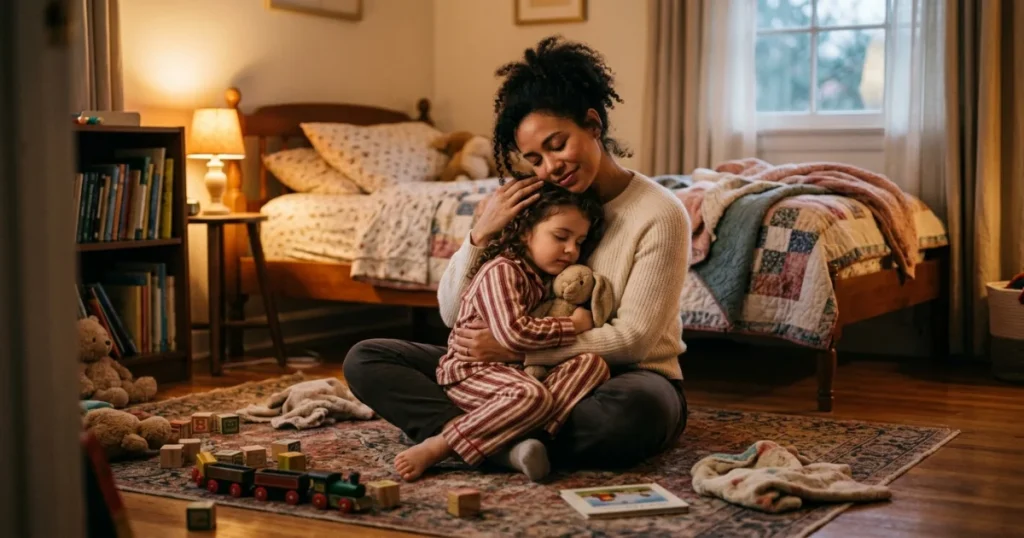
You open your eyes, and the image stays with you: a younger version of yourself, standing in a familiar room, laughing, crying, or simply watching. Maybe you were holding their hand. Maybe they were running away. Perhaps you saw them from a distance, and the emotion that swept over you was unlike anything you have felt in years.
Dreaming of yourself as a child is one of the most emotionally charged dreams you can experience. It carries the weight of memory, the tenderness of innocence, and the ache of lost time. But beyond the nostalgia, these dreams hold powerful messages about your present life. They are not just echoes of the past. They are invitations from your subconscious—and perhaps something deeper—asking you to look at who you were, who you have become, and what still needs healing or reclaiming.
In this guide, we will explore the full dreaming of yourself as a child meaning from spiritual, biblical, psychological, and cultural perspectives. You will learn what different dream scenarios may reveal, how your emotions shape the interpretation, and what you can do to honor the message your childhood self is bringing to you.
Key Takeaways About Dreaming of Your Childhood Self
Inner Child Message
Your younger self often represents parts of you that need attention, healing, or reconnection.
Innocence & Authenticity
This dream can signal a longing to return to a more authentic, unguarded way of being.
Unresolved Wounds
Seeing your childhood self may point to past hurt that still influences your present behavior.
Forgotten Gifts
Your younger self can remind you of passions, creativity, or dreams you have abandoned.
Healing Opportunity
These dreams often appear when you are ready to offer yourself the compassion you needed back then.
Spiritual Return
Spiritually, this dream can signify a call to rediscover your soul’s original purpose.
Emotional Barometer
How you feel toward your child self reveals how you currently treat your own vulnerability.
Life Transitions
This dream commonly arises during periods of change, loss, or major personal growth.
What Does It Mean to Dream of Yourself as a Child?
At its heart, dreaming of yourself as a child is about connection—connection to your past, to your core self, and to the emotional threads that still run through your life today. This dream is rarely literal. It does not usually mean you want to be a child again in the practical sense. Instead, it points to the qualities of childhood: wonder, vulnerability, trust, creativity, dependence, or perhaps fear and helplessness.
The dream asks you to look at what that younger version of you represents. Are they happy and carefree? That may be a sign that you are longing for simplicity or that you need to reclaim joy. Are they sad, scared, or alone? That could indicate unresolved pain or neglect that still lives beneath your adult surface. Are they angry or rebellious? That might suggest parts of you that have been suppressed or denied.
This dream invites you to consider a profound question: What would it mean to meet that child with love instead of avoidance? The answer to that question may be the most important insight you take from this experience.
Why You Might Be Dreaming About Your Childhood Self Right Now
Dreams of your childhood self often emerge during specific seasons of life. They are not random. They are usually tied to something happening in your waking world that stirs old patterns, memories, or unmet needs.
You might be going through a major life transition—a new job, a relationship change, becoming a parent, or losing someone close. Such transitions can trigger a review of your own past, as you reflect on how you were raised or how you have grown. You may be facing a situation that echoes something from your childhood, and your subconscious is asking you to recognize the pattern.
Stress and burnout can also bring these dreams forward. When you are exhausted, your inner child may appear to remind you that you need rest, play, or self-compassion. Sometimes, the dream surfaces when you are about to make a decision that requires you to trust yourself—and your childhood self holds the key to that trust.
For others, these dreams come when they are ready to heal. If you have been doing inner work, therapy, or spiritual exploration, your younger self may step forward as the part of you that is ready to be seen and held.

Spiritual Meaning of Dreaming About Your Childhood Self
Positive Spiritual Meaning
Spiritually, seeing your younger self can be a profound gift. It often represents your soul’s original essence—the pure, unblemished version of you that existed before life’s challenges left their marks. This dream may be a reminder that you are still that being at your core. The innocence, the wonder, and the capacity for love that you had as a child have never left you. They have only been buried.
When your childhood self appears joyful, playful, or peaceful, it can be a sign that you are being called back to spiritual simplicity. You are being invited to let go of overthinking, to trust life again, and to reconnect with the part of you that knows how to be present without pretense. This dream may also signal that you are entering a season of spiritual renewal where old wounds are being healed and you are becoming more whole.
Warning or Wake-Up Meaning
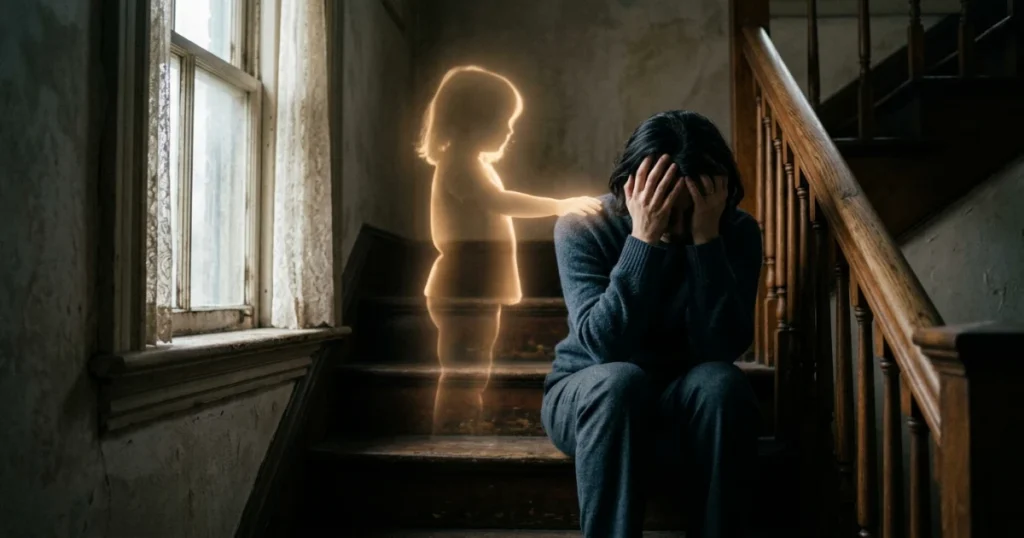
If your childhood self appears frightened, crying, or neglected, the spiritual message may be a wake-up call. It may suggest that you have been ignoring your emotional or spiritual needs. You have been so busy being the responsible adult that you have left your inner child behind, unheld and unheard.
Spiritually, this is not a punishment. It is a compassionate nudge to turn toward yourself with care. The dream is asking you to make space for healing, to pray or meditate on the areas where you still carry pain, and to invite divine comfort into those old, tender places. Your childhood self is not a ghost to be feared but a part of your soul waiting to be loved back to life.
Biblical Meaning of Dreaming About Your Childhood Self
While the Bible does not specifically mention dreaming of yourself as a child, it speaks powerfully about the value of childlike faith and the importance of spiritual transformation. Scripture often uses childhood as a metaphor for humility, trust, and new beginnings.
In Matthew 18:3, Jesus says, “Truly I tell you, unless you change and become like little children, you will never enter the kingdom of heaven.” This verse points to the spiritual significance of childlike qualities—trust, dependence, and openness. Dreaming of your younger self may be a biblical invitation to return to a more trusting, humble posture toward God and toward life.
Positive Biblical Symbolism
From a positive biblical lens, seeing your childhood self may be a reminder of God’s original design for you. It can symbolize spiritual rebirth, the promise that you can become new again. Just as a child is born fresh and unburdened, this dream may be a call to release the weight of guilt, shame, or regret and receive God’s grace with open hands.
The dream may also be a sign that you are being purified or refined. As 2 Corinthians 5:17 reminds us, “Therefore, if anyone is in Christ, the new creation has come: The old has gone, the new is here!” Your childhood self may represent the new creation that God is forming in you.
Warning Biblical Symbolism
In a warning sense, this dream may reveal that you have grown hardened or cynical. Perhaps you have lost your sense of wonder or your trust in God’s provision. The dream could be a gentle correction, urging you to examine where you have allowed bitterness or pride to take root.
It may also call you to forgive. If your childhood self appears wounded, the biblical message may be about releasing unforgiveness—whether toward others or toward yourself. The dream invites you to bring those old wounds to the Lord and let Him heal what only He can heal.
Psychological Meaning of Dreaming About Your Childhood Self
Psychologically, dreaming of your childhood self is deeply connected to the concept of the inner child. This is a well-established idea in psychology that refers to the part of your psyche that retains the experiences, emotions, and coping mechanisms of your early years. Your inner child is not a metaphor for weakness; it is a powerful force that shapes how you relate to yourself and others.
What This Dream May Reveal About Your Inner Life
When you dream of your younger self, your subconscious is asking you to pay attention to your emotional foundation. How you treat that child in the dream—with warmth, coldness, fear, or indifference—may mirror how you treat your own vulnerable feelings in waking life. If you are harsh or dismissive, you may have a pattern of self-criticism that needs addressing. If you are gentle, you may be learning to be kind to yourself.
These dreams can also reveal where you are stuck. Perhaps you are still reacting to situations from a childhood script—seeking approval, avoiding conflict, or people-pleasing. Your younger self in the dream may be acting out patterns that you have never consciously examined.
How the Emotion in the Dream Changes the Meaning
The emotion you feel toward your childhood self is the most important psychological clue in the dream. If you feel tenderness, the dream may be a sign of healthy self-compassion. If you feel sadness, it may indicate grief over lost parts of yourself. If you feel irritation or shame, you may be disconnected from your own vulnerability.
Notice how your childhood self behaves, too. If they are confident and curious, you may be reconnecting with forgotten strengths. If they are withdrawn or frightened, you may be carrying unresolved fear. Your adult self in the dream holds the power to respond to that child. That response is the key to the dream’s message.

Common Childhood Self Dream Scenarios and Their Meanings
Dreaming of a Happy Childhood Self
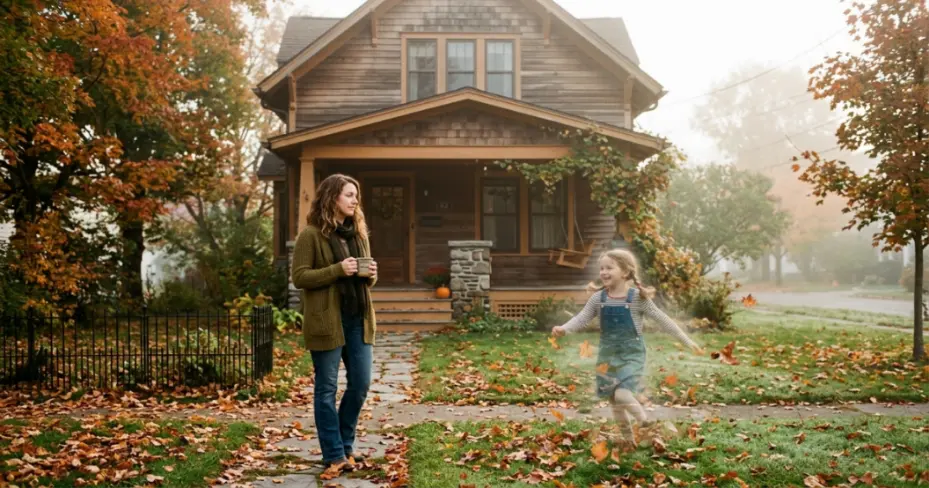
A joyful, laughing child in your dream is a beautiful sign. It often means you are being called to reconnect with the simple pleasures of life. This dream may appear when you have been taking things too seriously or when you have lost touch with what brings you genuine happiness. Your younger self is reminding you that joy is not something you have to earn. It is something you are allowed to feel.
If you feel a sense of longing when you see this child, it may also indicate that you are ready to reclaim parts of yourself that you have suppressed—your creativity, your playfulness, your unguarded self. The dream is permission to let those parts resurface.
Dreaming of a Sad or Crying Childhood Self
This dream can be heart-wrenching, but it carries an important message. A sad child self often represents unhealed emotional wounds—times when you were hurt, ignored, or not given the love you needed. The dream is inviting you to offer that child the comfort they may not have received in the past.
This is a powerful opportunity for healing. In the dream, you can hold them, speak kind words to them, or simply sit with them in their sadness. That act of compassion is not just a dream exercise. It is a real emotional repair that can have lasting effects on how you treat yourself today.
Dreaming of Your Childhood Self Running Away
If your younger self is running from you, it may suggest that you are avoiding something in your own life. Perhaps you are running from a truth, a responsibility, or a feeling that is too uncomfortable to face. The dream is asking you to stop and turn toward what you are avoiding.
Alternatively, your child self may be running because they feel unsafe. This could indicate that you have not created a safe environment for your own vulnerability. You may need to look at your current relationships or circumstances to see where you feel threatened or unsupported.
Dreaming of Holding or Comforting Your Childhood Self
This is one of the most healing dream scenarios. Holding your younger self indicates that you are developing self-compassion. You are learning to care for the parts of you that have been wounded. This dream is a sign of emotional maturity and integration. It suggests that you are becoming your own safe place.
This dream can also appear when you are in the process of reparenting yourself—consciously giving yourself the love, structure, and guidance you may have missed as a child. The dream confirms that you are on the right path.
Dreaming of a Scary or Threatening Childhood Self
Sometimes your childhood self can appear eerie, angry, or unsettling. This can be unsettling, but it is not necessarily negative. It often represents parts of yourself that you have rejected or feared. Your child self may be carrying anger that you were never allowed to express, or grief that was never fully felt.
The dream asks you to look at what you have pushed away. That frightening child is still a part of you—and they need to be acknowledged, not banished. In facing them with courage and compassion, you can integrate the disowned parts of yourself.
Dreaming of Talking to Your Childhood Self
Conversations with your younger self are rich with meaning. What does the child say? What do you say back? These dreams often reflect inner dialogue—perhaps between your intuitive self and your logical mind, or between your wounded self and your healing self.
Pay close attention to the words exchanged. The child may be telling you something you need to hear: a warning, a truth, a forgotten hope. Your response to them reveals how you currently relate to your own inner wisdom.
Dreaming of Playing with Your Childhood Self
A dream where you are playing with your younger self is a joyful invitation to embrace lightheartedness. It suggests that you are ready to integrate joy and creativity back into your life. This dream often appears after periods of stress or seriousness, offering you permission to play without guilt.
It can also represent a reunion with lost parts of yourself—the dreamer, the adventurer, the artist, the one who used to believe in magic. This dream asks you: Where has that child gone, and how can you invite them back?
Dreaming of Your Childhood Self in Your Childhood Home
The setting of your childhood home adds another layer of meaning. A familiar house often represents your psyche—the structure of your mind and memories. Dreaming of your younger self in that space suggests that you are revisiting the foundational experiences that shaped who you are.
If the house feels warm and welcoming, the memory is likely being integrated in a healthy way. If the house feels dark, cluttered, or frightening, there may be unresolved experiences from that time that need healing.
Childhood Self Dream Meaning by Emotion, Age, and Setting
Small details can shift the meaning of your dream significantly. The age of your child self, the setting, and the emotions present all offer clues to the dream’s message.
A very young version of you—toddler or baby—often represents your most foundational self. This is the part of you that existed before language, before conditioning, before the world told you who to be. This dream can point to core wounds or core gifts that are still active in your life today.
An older child—school age or adolescent—may represent a period when you were more aware of the world and its expectations. This dream may reflect patterns that developed during that time, such as social anxiety, academic pressure, or the beginning of identity formation.
The setting also matters. A familiar setting, like your childhood bedroom, suggests introspection and personal history. An unfamiliar or dreamlike setting may indicate that the message is more spiritual or symbolic than literal. A chaotic setting—such as a busy school or crowded playground—may point to feelings of overwhelm in your current life.

Comparison: Childhood Self Dream vs. Dreaming of a Child Who Is Not You
Dreaming of yourself as a child is distinctly different from dreaming of an unknown child or a child you know in waking life. Both symbols relate to innocence and vulnerability, but they point to different layers of meaning.
When you dream of yourself as a child, the message is deeply personal. It is about your own history, your own wounds, your own lost gifts. The dream is self-referential—it is about you, your psyche, and your inner world. It invites introspection and personal healing.
Dreaming of another child often represents something external. It may symbolize a new beginning, a creative project, or a relationship that needs nurturing. It can also represent vulnerability in others or a call to protect innocence in the world around you. It may be less about your past and more about your present or future potential.
If you dream of a child you know in waking life—your own child, a sibling, or a student—the dream may relate to your relationship with that person or your feelings about their well-being. In contrast, your own childhood self always points inward, asking you to look at your own life and history.
| Aspect | Dreaming of Your Childhood Self | Dreaming of Another Child |
|---|---|---|
| Meaning Focus | Personal history, inner child, self-reflection | New beginnings, vulnerability, external care |
| Emotional Tone | Nostalgia, healing, self-compassion | Responsibility, nurture, hope |
| Connection to Waking Life | Your past shaping your present | Current projects, relationships, or growth |
| Healing Direction | Inward—toward yourself | Outward—toward others or new paths |
Is This Dream a Good Sign or a Bad Sign?
Dreaming of your childhood self is rarely a bad sign. Even when the dream is sad, unsettling, or painful, it carries a positive intention: to bring something to your awareness so you can heal, grow, or remember. The dream is a gift, even when the content feels heavy.
If the dream is joyful and warm, it is a clear good sign. It means you are in touch with your authentic self and open to joy. It can also indicate that you are healing past wounds and reclaiming lost parts of your soul. This is a dream of integration and wholeness.
If the dream is painful or frightening, it is still a good sign. It means that your subconscious is bringing something to light that needs your attention. The discomfort is not a punishment. It is an invitation. The dream is asking you to care for yourself in ways you may not have realized you needed.

The dream becomes a truly positive experience when you respond to it with compassion. When you wake up and ask, What is my younger self asking me to see or feel? you transform the dream from a source of distress into a source of clarity and healing.
What People Often Misunderstand About Childhood Self Dreams
There are several common misunderstandings about dreams of your younger self that can cause unnecessary confusion or anxiety. Clearing these up can help you interpret your dream more accurately.
Misunderstanding 1: The dream means you want to be a child again.
This is rarely the case. The dream is almost always symbolic. It represents qualities of childhood—innocence, vulnerability, creativity—not a literal desire to return to the past.
Misunderstanding 2: Seeing your childhood self is a sign of regression.
Not necessarily. While the dream can reveal unresolved patterns, it is often a sign of healing and integration. Recognizing your inner child is a sign of emotional maturity, not regression.
Misunderstanding 3: You have to “fix” your childhood self.
Your childhood self does not need fixing. They need to be seen, heard, and held. Healing comes from acknowledgment and compassion, not from trying to change the past.
Misunderstanding 4: The dream is just nostalgia.
Nostalgia is about idealizing the past. These dreams are about engaging with the past. They bring real emotional content forward for a reason, often tied to present-day challenges or growth.
Misunderstanding 5: This dream is only for people with childhood trauma.
Everyone has a childhood self. Everyone has experiences that shaped them. You do not need to have had a traumatic childhood to have these dreams. They can appear for anyone during times of reflection, change, or emotional awakening.
Expert Insight: The Healing Power of Meeting Your Inner Child
Expert insight: For many dreamers, the appearance of their childhood self marks the beginning of one of the most transformative inner journeys they will ever take. This is not a dream to be dismissed as mere memory or nostalgia. It is an active visitation from a part of you that still lives, still feels, and still wants to be known.
In our work with dreamers, we have consistently found that those who respond to this dream with open arms—who literally imagine themselves embracing their younger self—experience profound shifts in their waking lives. Self-criticism softens. Old patterns become visible and lose their power. Creativity returns. Relationships deepen because the dreamer learns to show up more authentically.
The message of this dream is clear: That child is not lost. They are waiting for you to come home to yourself. The dream is not asking you to fix the past. It is asking you to love it. When you do, you free yourself not only from the weight of old wounds but also from the limits they have placed on your life. The dream is a doorway. Walk through it with compassion, and you will find a version of yourself you may have forgotten existed.
What to Do After Having This Dream
Waking from a dream of your childhood self can leave you feeling tender, curious, or even disoriented. The following steps can help you process the experience and integrate its message into your waking life.
- Write the dream down with full detail. Capture not just what happened but how you felt. Include the age of your child self, the setting, and any words that were exchanged. These details hold the keys to meaning.
- Identify the dominant emotion. Were you sad, joyful, afraid, or protective? That emotion is your most important clue. It tells you what part of your inner world is calling for attention.
- Ask your younger self what they need. In quiet reflection, imagine your child self standing before you. Ask them: What do you need from me right now? Listen without judgment. The answer may surprise you.
- Offer compassion through action. If your child self was sad, consider what you can do today to offer yourself comfort. It might be a warm bath, a walk in nature, or simply allowing yourself to rest.
- Reflect on current life triggers. Ask yourself: What is happening in my life right now that may have brought this dream forward? Look for stress, transition, or emotional situations that echo childhood themes.
- Pray, meditate, or journal. If you are spiritually inclined, bring the dream to your spiritual practice. Ask for clarity and healing. Journaling can also help you trace patterns and insights over time.
- Consider professional support if needed. If the dream stirs deep pain or is recurring and distressing, it may be helpful to speak with a counselor, therapist, or spiritual advisor who can support your healing journey.
Image Suggestions for This Article