
Wolf Dream Meaning: What Your Dream Is Trying to Tell You
A wolf dream often reflects your instinctual nature, personal power, loyalty, or a hidden threat in your waking life. Depending on the dream’s emotion and the wolf’s behavior, it can signal a call to trust your intuition, a warning about isolation, or a spiritual invitation to embrace your wild, untamed self.
Waking up from a wolf dream leaves a lingering feeling. Maybe your heart is still pounding from a chase. Maybe you felt strangely protected by a calm wolf’s presence. Wolves are not casual dream visitors—they command attention. The wolf dream meaning often points to something primal, unspoken, and deeply personal. This is not a random symbol; it is a mirror held up to your instincts, your relationships, and your spiritual state.
You are not alone in wondering what a wolf represents in your sleep. Across cultures, biblical texts, and psychological traditions, the wolf carries layered meanings. This article walks you through every important angle—spiritual, psychological, biblical, and emotional—so you can interpret your dream with clarity rather than fear.
Key Takeaways About Wolf Dream Meaning
A wolf dream frequently signals a need to trust your gut feelings more.
An aggressive wolf may represent something you are avoiding in your waking life.
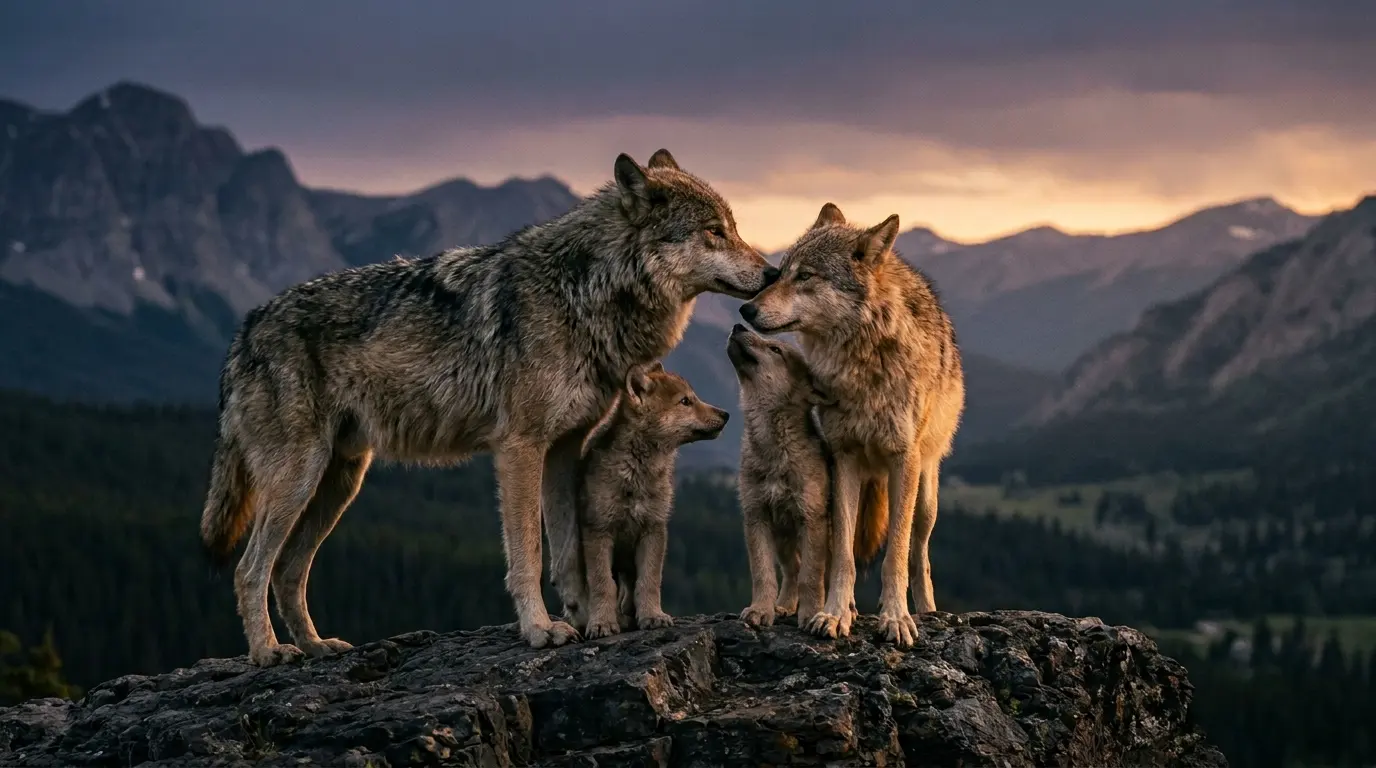
A wolf pack can symbolize your close circle, loyalty, or need for belonging.
Psychologically, the wolf often embodies the parts of yourself you keep hidden.
In scripture, wolves often represent false teachers or spiritual danger.
Neither absolute—the meaning depends heavily on how you felt and what the wolf did.
What Does Wolf Dream Meaning Really Mean?
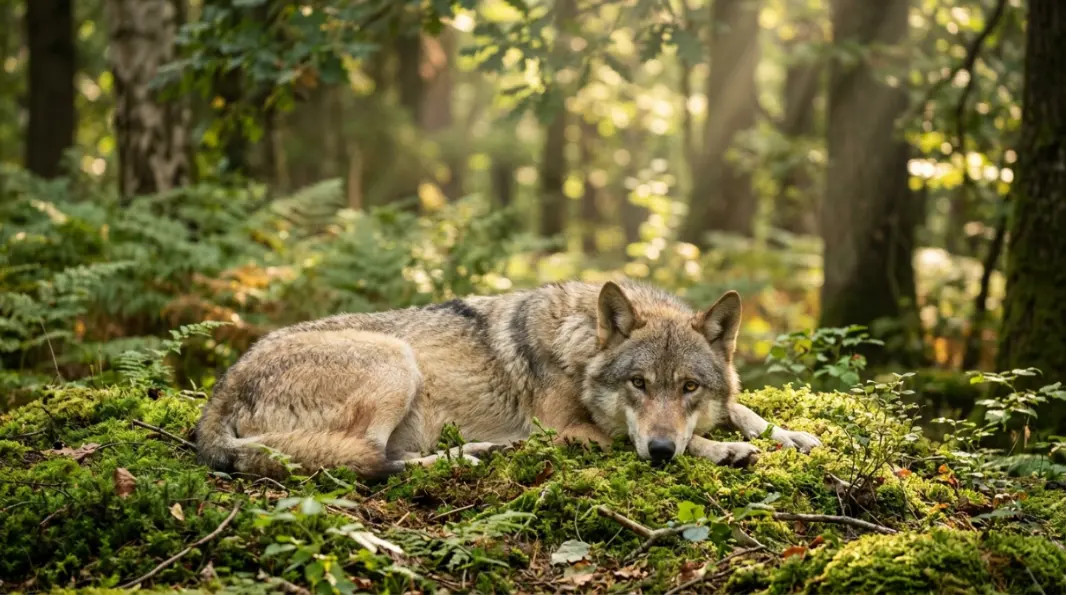
At its core, dreaming of a wolf is rarely a random event. The wolf is a creature of paradox—fierce yet loyal, terrifying yet majestic. The meaning of your dream begins with the wolf’s behavior and your emotional response. A wolf that walks beside you calmly suggests something very different from a wolf baring its teeth. Most often, a wolf dream meaning points to a raw, unfiltered part of your psyche: your drives, your protectiveness, or a fear you’ve been suppressing.
In spiritual traditions, the wolf is a teacher. In psychological terms, it’s a shadow figure. The dream does not force a single meaning on you. Instead, it asks questions: Are you isolating yourself too much? Are you ignoring your instincts? Is there a relationship where loyalty has turned into silent suffering? Let’s unpack all those layers.
Why You Might Be Dreaming About a Wolf Right Now
Dreams choose their timing. A wolf appears when your waking life is stirring something primal. Common triggers include:
- A major life decision that requires instinct over logic.
- Feelings of being watched, judged, or pressured by a group.
- Loneliness or a deep desire for a loyal companion.
- Betrayal wounds—or the fear of being betrayed.
- A season of spiritual searching, fasting, or prayer.
- Rising anger or assertiveness you haven’t expressed.
If you’ve recently felt torn between belonging and independence, the wolf may be embodying that exact tension. This is not a dream to dismiss quickly.
Spiritual Meaning of a Wolf in a Dream
Positive Spiritual Meaning
In many indigenous and mystical traditions, the wolf is a spirit guide—a symbol of deep connection to intuition and the natural world. Seeing a wolf in a dream can be a spiritual affirmation that you are being guided, even if the path feels lonely. It may also represent a call to protect what is sacred in your life: your family, your calling, your inner peace. A wolf howling in a dream can symbolize a longing to be heard on a soul level.
Warning or Wake-Up Spiritual Meaning
Biblical Meaning of a Wolf in a Dream
In the Bible, wolves are most often used as a warning symbol. Jesus spoke of false prophets coming in sheep’s clothing but inwardly being ravenous wolves (Matthew 7:15). The apostle Paul warned that savage wolves would arise, not sparing the flock (Acts 20:29). So, from a biblical lens, a wolf dream can be a call to discernment—especially regarding spiritual teachings, leaders, or relationships that seem good on the surface but feel wrong in your spirit.
Positive Biblical Symbolism
While the wolf is rarely a positive symbol in scripture itself, the broader biblical theme of transformation can still apply. In Isaiah 11:6, the wolf dwelling with the lamb points to a future peace where what was once dangerous becomes harmless. So, a dream where a wolf is tamed, peaceful, or protective can symbolize God’s redemptive work in an area you once feared. It does not negate the need for discernment, but it shifts the dream toward hope.
Warning Biblical Symbolism
If you are a person of faith and the wolf in your dream felt dark, menacing, or deceptive, treat it as a sober invitation to pray for wisdom. Examine the voices you are listening to. Are you allowing spiritual influences that appear good but leave you anxious, confused, or disconnected from peace? The dream is not a condemnation; it’s a protection prompt.
Psychological Meaning of Dreaming About a Wolf
What This Dream May Reveal About Your Inner Life
Psychologically, the wolf often represents the shadow self—the parts of your personality you push down. Carl Jung might call the wolf an archetype of raw instinct. If you dream of a wolf repeatedly, you may be suppressing anger, ambition, or a fierce desire to protect yourself. The dream invites you to acknowledge those parts without letting them control you.
How the Emotion in the Dream Changes the Meaning
The emotional tone of the dream is your most reliable interpretive key. Fear often points to something in your waking life that feels threatening but unaddressed. Calm or awe suggests integration and inner strength. Sadness—perhaps seeing an injured wolf—can reflect grief or lost loyalty. Never ignore how you felt upon waking.
Common Wolf Dream Scenarios and Their Meanings
Dreaming of a Calm Wolf
A peaceful wolf often signals confidence in your own instincts. It may appear when you are finally trusting yourself after a period of doubt. In relationships, it can symbolize a loyal, protective love.
Dreaming of an Aggressive Wolf
An aggressive wolf usually mirrors a perceived threat. This might be a real external conflict or an internal battle with your own anger. Ask yourself what—or who—feels like a predator in your life right now.
Being Chased by a Wolf
Being chased is one of the most common nightmare patterns. A wolf chase often means you are running from a truth about yourself. It can also indicate fear of being overwhelmed by your own emotions. Stopping the chase in a dream (if lucid) is a powerful sign of reclaiming courage.
A Wolf in Your House
When a wolf enters your personal space in a dream, the boundary between your inner and outer world is blurring. This can mean a family issue needs attention, or a trusted person is not what they seem. If the wolf was calm, it may signal a new protective energy entering your home life.
A Dead or Injured Wolf
Seeing a dead wolf can represent the death of an old instinctual part of yourself—sometimes a positive shedding of aggression or isolation. An injured wolf may symbolize a wounded loyal relationship or a part of you that needs care.
A Friendly or Protective Wolf
Few dreams feel as meaningful as one where a wild animal protects you. This can signify a spiritual guardian, a resilient inner strength, or a person in your life who fiercely has your back.
A Lone Wolf
Dreaming of a lone wolf often echoes your own feelings of independence, isolation, or being misunderstood. If the lone wolf appeared content, the dream validates your solo path. If it seemed desperate, loneliness may be eating at you.
A Recurring Wolf Dream
Recurring dreams demand attention. A wolf that keeps visiting your sleep usually signals an unresolved conflict—something your conscious mind refuses to confront. Track the pattern and ask what changed on the nights it appeared.
Wolf Dream Meaning by Color and Setting
Details matter. A white wolf versus a black wolf can shift the message entirely.
| Dream Variation | Likely Meaning |
|---|---|
| White Wolf | Spiritual guidance, purity of intention, higher wisdom |
| Black Wolf | Shadow self, hidden fear, deep inner strength, or a warning |
| Gray Wolf | Balance between instinct and reason, natural wisdom |
| Wolf in a Forest | Unconscious exploration, needing to reconnect with nature or self |
| Wolf at Night | Uncertainty, spiritual warfare (if biblical lens), deep inner work |
| Wolf in Daylight | Awareness, a truth you can no longer ignore |
Comparison: Wolf Dream vs. Dog Dream Meaning
Many dreamers confuse wolf dreams with dog dreams, but the emotional undercurrent is different. Dogs usually represent domestication, loyalty, and known relationships. Wolves represent wildness, instinct, and the unknown. Here’s a quick side-by-side.
| Symbol | Wolf Dream | Dog Dream |
|---|---|---|
| Trust | Earned, dangerous if broken | Familiar, unconditional |
| Instinct | Raw, untamed | Trained, socialized |
| Threat | Often signals a real or internal danger | Usually reflects relational conflict |
| Protection | Fierce, almost spiritual | Comforting, domestic |
| Spiritual Meaning | Teacher, shadow guide | Companion, faithfulness |
Is a Wolf Dream a Good Sign or a Bad Sign?
This question lingers, and the answer will comfort you: it depends far less on the wolf and much more on you. A wolf dream is not a fixed omen. If the dream left you feeling empowered, it’s a good sign—one of inner alignment. If it left you fearful, it’s still a good sign in the sense that it’s revealing something you need to address. Very few wolf dreams are purely negative. They are invitations to honesty.
What People Often Misunderstand About Wolf Dreams
- Myth: A wolf dream means someone will betray you. Not necessarily. It can simply reflect your fear of betrayal, which is not the same as a prediction.
- Myth: If the wolf is black, the dream is evil. A black wolf can be a profound spiritual guide. Darkness in a dream often symbolizes the unknown, not malevolence.
- Myth: Wolf dreams are rare, so they must be catastrophic. Wolves are common archetypes. The frequency doesn’t determine severity; the emotion does.
- Myth: Killing a wolf in a dream means you’ve overcome a problem. Sometimes, but it can also suggest you’ve suppressed a healthy instinct. Be careful what you “kill” symbolically.

Expert Insight
What to Do After Having a Wolf Dream
You woke up, and the wolf is still with you. That’s not a bad thing. Here’s a gentle, grounded process to turn the dream into insight.
1. Write everything down immediately. Capture the wolf’s color, size, eyes, behavior, and the exact setting. Small details fade quickly and matter enormously.
2. Name the strongest emotion you felt. Fear, awe, peace, anger? That emotion is your compass. It often mirrors an emotion you’re avoiding while awake.
3. Identify real-life parallels. Ask yourself: Where in my life do I feel hunted, protected, lonely, fiercely loyal, or in danger of being deceived? Be honest.
4. Pray or meditate if you are spiritually inclined. For biblical dreamers, use this as a moment to ask for discernment. For others, sit quietly and let the wolf’s image speak without forcing an answer.
5. Check for patterns. If you’ve dreamed of wolves before, what was similar? Repetition points to an unresolved wound or a strengthening inner voice.
6. Do not make fear-based decisions. A wolf dream is symbolic, not a blueprint for disaster. If it’s causing you prolonged distress, talk to a counselor or spiritual advisor.

FAQs About Wolf Dream Meaning
What does it mean when you dream about a wolf?
Dreaming about a wolf generally symbolizes instinct, intuition, loyalty, or a hidden threat. The specific meaning depends on the wolf’s behavior, the setting, and your emotions in the dream.
Is a wolf dream a good or bad sign?
It’s not inherently good or bad. A calm, protective wolf can be a positive sign of inner strength or spiritual guidance. An aggressive wolf may indicate fear, suppressed anger, or a relational warning—always interpreted with context.
What is the biblical meaning of a wolf in a dream?
Biblically, wolves often represent false teachers, spiritual danger, or deceit (Matthew 7:15). However, a peaceful wolf can symbolize transformation and God’s redemptive work. Discernment and prayer are recommended.
What does a white wolf mean in a dream?
A white wolf often carries a spiritual or intuitive message of guidance, purity, and protection. It may appear during a time of spiritual awakening or when you are being called to trust higher wisdom.
Why do I keep dreaming about wolves?
Recurring wolf dreams suggest an unresolved inner conflict, a persistent external threat, or a strengthening aspect of your personality—like independence or protectiveness—that needs acknowledgment.
What does it mean if a wolf attacks you in a dream?
A wolf attack often reflects feeling threatened or overwhelmed in your waking life. It may point to repressed anger, a toxic relationship, or a part of yourself you are afraid to confront. It’s a call to examine what you’ve been avoiding.
Does dreaming of a wolf pack mean family issues?
It can. A wolf pack often mirrors your family unit, close friends, or social group. If the pack is united, it signals loyalty and support. If it’s fractured, examine hidden tensions or a fear of being excluded.
Can a wolf dream be a spiritual message?
Yes. Many spiritual traditions view the wolf as a spirit animal or guide that appears when you need to reclaim your personal power or listen to your inner voice more carefully. The dream’s emotional tone and symbols will guide interpretation.
Final Summary
A wolf dream is rarely just a random image from the night. It holds a mirror to your instincts, your fears, your loyalties, and your hidden strength. Whether the wolf walked beside you peacefully or chased you through a dark forest, the message is not to be feared—it’s to be understood. Take what resonates, leave what doesn’t, and remember: the most important interpreter of your dream is you, guided by the Spirit, your inner wisdom, and the truth you are already living.