Hearing whistling at night has long been viewed as more than just a sound—it carries layered spiritual, cultural, and symbolic meanings. From warnings of unseen spirits to signs of transformation and intuition, interpretations vary across traditions. Whether mystical or psychological, this phenomenon invites deeper reflection on unseen energies around us.
⚡ Quick Answer
Whistling at night is spiritually cautioned in many cultures as it is believed to attract spirits, invite negative energy, or disturb the natural spiritual balance. Some traditions say it calls bad luck or entities.
🔑 Key Takeaways
- Many Asian, Native American, and Latin American cultures warn against whistling at night for spiritual reasons.
- The belief is that whistling at night can attract wandering spirits or negative entities to your location.
- In some traditions, nighttime whistling is associated with invoking bad luck or unwanted supernatural attention.
- Spiritually, the night is a time of heightened spirit activity — sound and vibration carry differently.
- If you must whistle at night, some traditions recommend a brief protection prayer or ritual to neutralize any effect.
Introduction
Have you ever been alone in the quiet of the night when an unexpected whistle pierced the silence? Was it just the wind—or something more? Across centuries, people have associated nighttime whistling with omens, spirits, and hidden messages from the unseen world. In many cultures, this mysterious sound is believed to carry both caution and guidance, bridging the physical and spiritual realms. Let’s unravel the deeper spiritual meanings of hearing whistling at night, blending history, cultural wisdom, and modern perspectives.
Historical and Foundational Context
The belief in mysterious nighttime sounds can be traced back to ancient civilizations.
- Ancient Folklore: In Indigenous traditions across the Americas, whistling at night was thought to summon spirits—sometimes protective, sometimes malevolent.
- Medieval Europe: Whistling after dark was discouraged, as it was believed to attract witches or wandering souls.
- Eastern Traditions: In certain Asian cultures, whistling at night symbolized calling spirits or inviting supernatural presences into one’s home.
These foundations show that across civilizations, whistling has never been a neutral act—it carried unseen implications.
In-Depth Analysis: Key Dimensions of Meaning
1. Spiritual Interpretations
- Warning Sign: In many traditions, whistling signals the presence of spirits, urging caution and awareness.
- Communication: It may be interpreted as a message from ancestors or spirit guides.
- Energy Shifts: Nighttime is associated with heightened intuition; whistling can mark a shift in vibrational energy.
2. Psychological Perspective
From a modern lens, hearing whistling may be:
- A product of auditory hallucinations triggered by stress or fatigue.
- A projection of subconscious fears, especially in silence and darkness.
3. Symbolic Layers
- Transformation: Whistling may symbolize transition or change.
- Intuition: It can act as a nudge to trust your inner voice.
- Thresholds: Nighttime itself symbolizes liminality—between wakefulness and dreams, life and spirit.
Cultural and Global Perspectives
| Culture/Region | Belief About Night Whistling |
|---|---|
| Native American | Invites spirits, often seen as an omen. |
| Japanese | Attracts supernatural beings like yokai. |
| Caribbean | Associated with wandering souls or misfortune. |
| Western Europe | Linked with witches and bad luck. |
| Modern New Age | Seen as spiritual messages or energetic signals. |
This variation highlights how universal yet diverse the interpretation of night whistling remains.
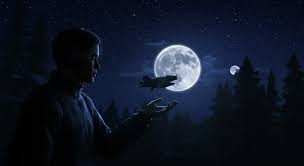
Practical Scenarios and Applications
- Personal Reflection: Use the experience as a moment to pause, meditate, or journal—what were you feeling at that time?
- Spiritual Practice: Some use the sound as a trigger to cleanse energy, burn sage, or recite prayers.
- Scientific Check: Rule out natural causes such as wind, pipes, or tinnitus before assigning spiritual meaning.
Pros vs. Cons of Interpretations
| Perspective | Positive Aspect | Cautionary Aspect |
|---|---|---|
| Spiritual | May signify guidance or intuition awakening. | Could indicate warning from negative forces. |
| Psychological | Encourages mindfulness and reflection. | May cause fear, paranoia, or stress. |
| Cultural | Connects us to ancestral wisdom. | Can perpetuate superstition if misunderstood. |
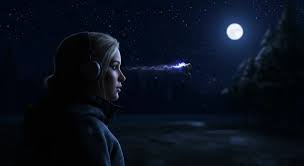
Implications for Modern Life
In today’s world, where science and spirituality often collide, hearing whistling at night can serve as a powerful metaphor. Whether you interpret it as a spiritual nudge, a subconscious signal, or simply the wind, the phenomenon encourages mindfulness, grounding, and curiosity about unseen layers of reality.
📚 Related: Owl Spiritual Meaning | Ring Around the Moon Meaning
Frequently Asked Questions
Why is whistling at night considered bad spiritually?
In many cultures, whistling at night is believed to attract spirits, summon negative entities, or disturb spiritual forces that are more active after dark, bringing misfortune.
Which cultures believe whistling at night is bad luck?
Japanese, Turkish, Korean, Mexican, and many Native American traditions all have warnings against whistling at night, each with slightly different reasons but the same core concern.
What happens if you whistle at night according to spiritual beliefs?
Depending on the tradition, whistling at night may attract spirits of the dead, invite bad luck, summon supernatural entities, or create an energetic disturbance in your environment.
Is there any positive spiritual meaning to whistling at night?
In some shamanic traditions, specific ritual whistling at night is used intentionally to call spirit guides — but this is controlled, ceremonial practice rather than casual whistling.
How can you protect yourself if you whistled at night accidentally?
Many traditions recommend saying a brief prayer, visualizing white light around you, or performing a simple cleansing ritual to neutralize any unintended spiritual effects.