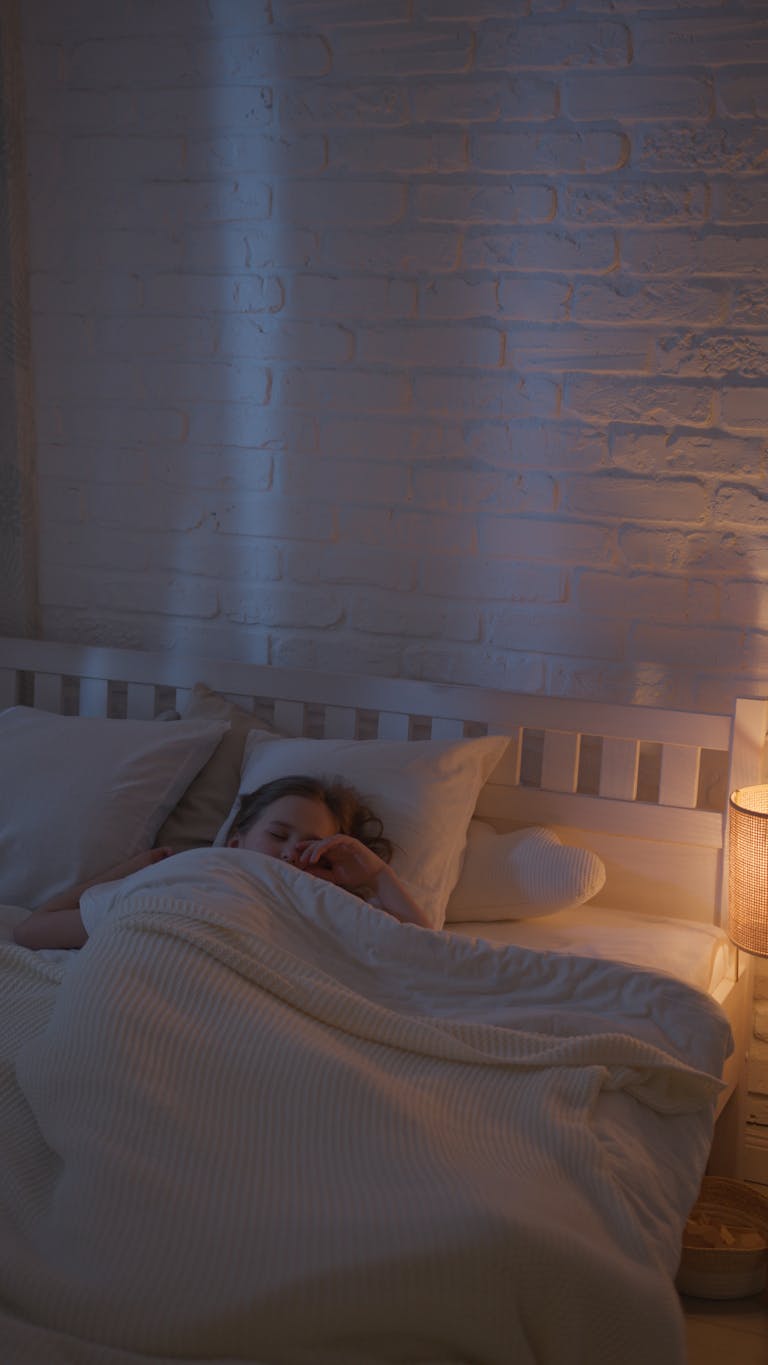
Have you ever woken up in a cold sweat, heart pounding, after a terrifying nightmare—only to realize it always seems to happen when you sleep on your right side? You’re not alone. It’s a question that’s popped up in late-night Google searches and casual conversations alike: “Why do I have nightmares when I sleep on my right side?” As someone who has wrestled with this myself, I’ve dug into the science, theories, and even shared some personal anecdotes to figure out what’s going on. Let’s explore this sleep position puzzle together and see if we can find some answers—and maybe even a solution.
⚡ Quick Answer
Nightmares when sleeping on your right side are primarily linked to right-side sleeping’s effect on gastroesophageal reflux (acid coming up), slightly reduced lymphatic drainage, and increased pressure on the right side of the heart during deep sleep. These physiological factors can increase REM arousal and nightmare frequency. Left-side sleeping is generally recommended for reducing both acid reflux and nightmare intensity.
📌 Key Takeaways
- Right-side sleeping increases gastroesophageal reflux (GERD) — which disrupts sleep and can trigger nightmares
- Left-side sleeping reduces acid reflux, improves lymphatic drainage, and is better for heart function
- Sleep position affects REM sleep quality — the position-dependent arousal threshold shapes dream content
- Stress and unresolved emotional content manifest differently based on sleep position
- Spiritually, some traditions associate the right side with vulnerability to spiritual disturbance at night
The Curious Link Between Sleep Position and Nightmares
We all have our go-to sleep position—the one that feels like home after a long day. For some, it’s sprawled out on their back, while others curl up in the fetal position. Me? I’m a side sleeper through and through, but I’ve noticed something odd: when I roll onto my right side, my dreams take a dark turn. Zombies chasing me, falling off cliffs, or that classic “I forgot my lines in the school play” panic—it’s like my brain flips a switch to nightmare mode. So, what’s the deal?
Research suggests that sleep position might influence our dreams more than we think. Studies have explored how sleeping on your back, stomach, or sides can shape the emotional tone of your dreams. While most of the spotlight has been on back sleeping (more on that later), there’s growing curiosity about how side sleeping—especially on the right side—might play a role in triggering nightmares. Let’s break it down.
What Science Says About Sleep Position and Dreams
While there’s no definitive “nightmare position” etched in stone, a few studies offer clues. A 2004 study in Sleep and Hypnosis compared right-side and left-side sleepers and found something intriguing: left-side sleepers reported nightmares more often (about 41% of them) compared to right-side sleepers (around 15%). At first glance, this might make you think, “Great, right-side sleeping is safe!” But hold on—some people, like me and maybe you, seem to have the opposite experience.
Another study from Hong Shue Yan University in 2012 looked at stomach sleepers and found they had more vivid, intense dreams—sometimes erotic, sometimes nightmarish, like being tied up or suffocating. Back sleepers, meanwhile, often get pegged as the nightmare champs, possibly due to breathing issues like sleep apnea. So where does that leave right-side sleepers? The research is thin, but personal stories and theories suggest there’s more to uncover.
Why Might Right-Side Sleeping Trigger Nightmares for Some?
Since science hasn’t fully cracked this case, let’s explore some possible reasons why sleeping on your right side might send your dreamworld into chaos:
- Physical Discomfort or Pressure
Your body’s a complex machine, and sleeping on your right side might subtly affect how it functions at night. For instance, lying on your right could put slight pressure on your stomach or chest, especially if you ate a big meal before bed. This discomfort might not wake you up but could register in your brain as stress, nudging your dreams toward the spooky side. - Heart and Breathing Connection
Experts like dream decoder Theresa Cheung have suggested that sleep position affects how your heart and lungs work overnight. Sleeping on your left side, for example, might stress your heart a bit more because of its position in your chest. But flipping to the right could still alter blood flow or breathing patterns in ways we don’t fully understand, potentially sparking anxiety-themed dreams. If you’ve got a sensitive system, even small changes might tip the scales. - Brain Activity and Hemispheres
Here’s a wild theory: some folks speculate that sleeping on your right side might activate the left hemisphere of your brain (the logical, analytical side) more than the right (the creative, emotional side). If your brain’s processing emotions unevenly while you sleep, it could churn out unsettling dream scenarios. It’s a stretch, but it’s fun to ponder! - Sleep Apnea or Snoring
While back sleeping is the poster child for sleep apnea (when your airway gets blocked, disrupting sleep), side sleeping isn’t always a free pass. If you’ve got mild breathing issues, lying on your right side might tweak your airway just enough to fragment your sleep. Those mini-wakeups can make you more likely to remember your dreams—and if they’re nightmares, that’s what sticks with you. - Psychological Association
Ever heard of a self-fulfilling prophecy? If you’ve noticed nightmares happening on your right side before, your brain might start expecting them. Next thing you know, you’re tensing up as you roll over, priming yourself for a bad dream. It’s less about the position and more about the story you’ve told yourself.
My Own Right-Side Nightmare Saga
Let me get real for a second. A few months ago, I started tracking my sleep habits because I was tired of waking up rattled. Sure enough, the nights I crashed on my right side were the ones where I’d dream about missing deadlines or being chased by shadowy figures.

When I switched to my left side or stomach, the nightmares dialed back—not gone, but less intense. One night, I even tried propping myself with a pillow to stay off my right side, and I woke up to a dream about a beach vacation instead of a horror movie. It’s not scientific proof, but it’s enough to make me wonder if my body’s trying to tell me something.
Could It Be More Than Just Position?
Before we blame everything on right-side sleeping, let’s zoom out. Nightmares aren’t just about how you’re lying down—they’re influenced by a whole cocktail of factors:
- Stress and Anxiety: If your day’s been a rollercoaster, your dreams might reflect that, no matter your position.
- Diet: That late-night pizza or glass of wine? It could mess with your sleep quality and dream content.
- Sleep Environment: A noisy room, a lumpy mattress, or a too-hot blanket can disrupt your rest, making nightmares more likely.
- Health Conditions: Things like sleep apnea, acid reflux, or even medications can stir up bad dreams.
So, if right-side sleeping feels like the culprit, it might be teaming up with one of these other players. For me, cutting out caffeine after 3 p.m. made a difference—maybe it’s worth a try for you too.
How to Stop Nightmares When Sleeping on Your Right Side
Ready to take back your nights? Here are some practical tips to experiment with:
- Switch Sides (Literally)
Try sleeping on your left side or stomach for a few nights and see if the nightmares ease up. It’s not a guaranteed fix, but it worked for me on some nights. - Perfect Your Sleep Setup
Invest in a comfy mattress and pillow that support your body, no matter your position. I swapped my old pillow for one that keeps my neck aligned, and it’s been a game-changer. - Wind Down Before Bed
Cut the stress with a relaxing routine—think meditation, a warm bath, or a good book. I’ve been hooked on chamomile tea lately, and it seems to mellow out my mind. - Check Your Breathing
If you suspect snoring or sleep apnea, talk to a doctor. A sleep study could reveal if your right-side woes are tied to airflow issues—better safe than sorry. - Rewrite the Narrative
If you think it’s psychological, try a trick from image rehearsal therapy: before bed, imagine a happy ending to a recurring nightmare. I turned a chase dream into a treasure hunt once, and it felt like a small victory.
The Bottom Line: Why do I have nightmares when I sleep on my right side
So, why do you have nightmares when you sleep on your right side? It could be a mix of physical quirks, breathing patterns, or even your mind-playing tricks. Science hasn’t nailed it down yet, and honestly, it might be different for everyone. What works for me—avoiding that right-side trap—might not work for you, and that’s okay.

The key is to pay attention. Track your sleep, tweak your habits, and don’t be afraid to experiment. Because at the end of the day (or night), you deserve to drift off into dreamland without a monster under the bed—or in your head. Have you noticed a link between your sleep position and nightmares? Drop your story in the comments—I’d love to hear it!
Frequently Asked Questions
Why do I have nightmares when sleeping on my right side?
Right-side sleeping can increase acid reflux and create physiological discomfort that disturbs REM sleep, producing more negative and intense dream content. Left-side sleeping is generally associated with less dream disruption.
Is sleeping on your right side bad?
Not inherently, but right-side sleeping is associated with increased acid reflux and may not be ideal for those prone to nightmares. Left-side sleeping is generally recommended for digestive and cardiovascular health.
Which side should I sleep on to avoid nightmares?
Left-side sleeping is generally associated with fewer nightmares, better digestion, and improved cardiac circulation. If you’re prone to bad dreams, experimenting with left-side sleeping for 2-3 weeks may show improvement.
What is the spiritual meaning of nightmares when sleeping on your right side?
Some spiritual traditions associate the right side with openness to spiritual influence. Nightmares in this position may be interpreted as heightened spiritual vulnerability, though physiological explanations are the primary cause for most people.
How can I improve dream quality regardless of sleep position?
Address underlying anxiety, practice relaxation before sleep, limit screens and alcohol, maintain a consistent schedule, and create a pre-sleep prayer or meditation practice to set a positive emotional tone before dreaming.